

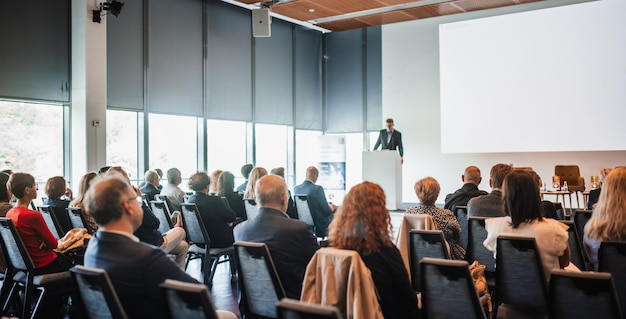
Conference Management Explained: Roles, Responsibilities & Best Practices is more than just a subject; it’s what makes every professional conference a success. The way you run a leadership summit, an industry conference, or a corporate knowledge-sharing event can affect everything from how attendees feel to how they see your brand.
Most individuals who are responsible for organizing a conference may not be aware of how much work is involved. Arrangements must be made with respect to vendors, technical equipment, speakers, and participant registration, all of which can quickly become overwhelming. Additionally, surprises that occur during the event can cause even more stress.
With structured conference management, operational procedures are streamlined for the benefit of all involved. All individuals know what role they play in supporting the event, and those in attendance can fully enjoy the event in a relaxed manner.
This guide provides you with a simple explanation of how to manage a conference and lists the people you will be responsible for, gives a brief description of the most critical functions, and suggests best practices for creating an efficient, organized, and professional conference experience.
Getting to Know Conference Management in Today’s Event World

Booking a venue and inviting speakers are only two parts of conference management. It is a planned process that includes planning, coordinating, carrying out, and evaluating the event afterward. As conferences get bigger and people expect more from them, professional conference management has become a must instead of a nice thing to have.
A well-run conference makes sure that:
Clear deadlines and duties
Smooth communication between teams and vendors
Consistent experience for attendees from beginning to end
Managed budgets and lowered operational risks
Professional conference organizers take care of everything, from planning the agenda to coordinating speakers to handling the logistics of the event, setting up the technology, registering attendees, and running the event on the ground. This structured method lets businesses and organizations focus on their goals while experts handle the complicated parts behind the scenes.
Important Roles in Managing a Conference
Teamwork is important for conferences to go well. Each person in charge of running the conference has a specific job to do, and the event goes smoothly when everyone works together.
Some of the most important roles are
The conference manager is in charge of the whole event, including the schedule, the budget, and how things are going overall.
Event Coordinator: Plans things on a daily basis, sets up meetings, and makes sure goals are met.
The Technical and AV Team is in charge of sound, lighting, screens, presentations, live streaming, and technical rehearsals.
The vendor and logistics manager work with venues, caterers, decorators, transportation companies, and other vendors.
Guest Registration and Experience The team takes care of registering attendees, checking them in, directing seating, and helping out on the ground.
When these roles work together, Conference Management Explained: Roles, Responsibilities, and Best Practices becomes more than just theory; it becomes a useful framework.
Core Responsibilities of a Conference Management Team

A professional conference management team does a lot of different things at the same time. Each one is important for the event to go well.
- Making a budget and keeping costs down
Making budgets that are realistic, keeping track of expenses, and not spending too much money while still keeping quality.
- Choosing a Place and Planning the Space
Picking the right place based on how many people it can hold, how easy it is to get to, what technical needs it has, and how comfortable the audience will be.
- Coordinating speakers and the flow of the agenda
Managing the schedules of speakers, the times of sessions, the needs for presentations, and the smooth transitions between sessions.
- Technology Setup and Audiovisual Support
Using professional service providers to set up technology will ensure the sound, lighting, visuals, internet connection, and backup systems all function well together.
- Registration, Hospitality, and Managing Attendee Flow
Manage online registrations, help desks, signage, seating assignments, and moving attendees through your event.
- On-Site Event Management & Crisis Response
Provide crisis management for any issues during an event, such as delays, technical problems, or last-minute changes. This ensures your event runs smoothly.
Hiring a professional event management company greatly reduces confusion. It also minimizes the risk of last-minute chaos compared to managing everything yourself.
Best Ways to Run a Successful Conference
After years of running conferences of all sizes, I’ve found that certain best practices always work.
Timelines for Detailed Planning
Make detailed timelines with due dates for each task, from booking the venue to getting feedback after the event.
Clear Ways to Talk to Each Other
Use clear communication hierarchies so that everyone knows who to talk to about what.
Meetings to Align Vendors
Hold coordination meetings to make sure that vendors know what to expect and how the event will go.
Technical Rehearsals and Dry Runs
Check all of the AV systems, presentations, and transitions before the day of the event.
Approach that focuses on attendees
Don’t just think about logistics; think about registration flow, comfort, signage, and engagement.
Avoid These Common Conference Management Mistakes: Not Planning Ahead
When you plan too quickly, you often miss important details, confuse vendors, and make the experience worse for attendees. Planning ahead is a must.
Not taking technical needs seriously enough
Even the best content-driven conferences can go off the rails if you don’t check the sound, the screen visibility, the lighting balance, or the internet backup.
Not caring about the experience of attendees
Attendees quickly get frustrated and lose interest when the registration process is slow, the signs are hard to read, or the seats are uncomfortable.
No Plan B
Unplanned events are unavoidable. Backup speakers, power supplies, technical equipment, and other vendors are very important.
Avoiding these mistakes is a big part of running a professional conference.
Changing Trends in How to Run a Conference

Conference management is always changing to keep up with new technologies and the needs of attendees.
The changes occurring within our industry are as follows:
Hybrid and virtual conferences allow attendees to join in person or online via a digital platform. This increases participation and makes events more flexible and accessible for everyone.
The smart registration system allows for all logistics of registration to be streamlined and automated. For example, QR codes can now be used as digital tickets for registration, while automatic badge printing can be used to print badges onsite for all attendees.
Sustainability is a major goal for many organizations hosting conferences today.
Utilizing digital signage, utilizing eco-friendly materials, and employing a waste minimization program.
Obtaining analytics on the success of events through the collection of data.
By tracking the engagement levels of people attending, finding out which sessions were the most popular, and looking at feedback, organizations can continue to improve their events.
Utilization of the most recent event technologies like interactive applications, live polling, and AI-enhanced engagement tools.
The End
Planning a conference to build relationships and gain knowledge can greatly benefit attendees. Conferences and business events take many forms around the world. When an organization uses professional conference management, it clearly defines roles and responsibilities for each employee. This ensures everyone follows proven best practices.
A well-designed, well-coordinated, and well-executed conference benefits both presenters and participants. It helps them build connections with other attendees, provides networking opportunities, and allows them to share information to grow their businesses.
Contact us today to plan and run conferences that are seamless, professional, and impactful from start to finish.
Questions and Answers – People Also Ask
What does it mean to manage a conference?
Managing a conference means planning, coordinating, and carrying out everything that needs to be done for the event, such as logistics, speakers, technical setup, and registrations, and making sure that attendees have a good time.
What is the significance of professional conference management?
Professional management lowers risks, makes things run more smoothly for organizers, speakers, and attendees, and makes sure everyone has a good time.
What jobs are involved in running a conference?
Some important roles are conference manager, event coordinator, technical team, logistics manager, and registration team.
How does someone who plans a conference deal with technical problems?
Through technical rehearsals, backup systems, AV teams with a lot of experience, and fixing problems as they happen.
Can professional conference management make the experience better for attendees?
Yes. Structured planning makes sure that registration goes smoothly, that everyone can talk to each other clearly, that everyone is comfortable, and that the sessions are interesting throughout the event.