

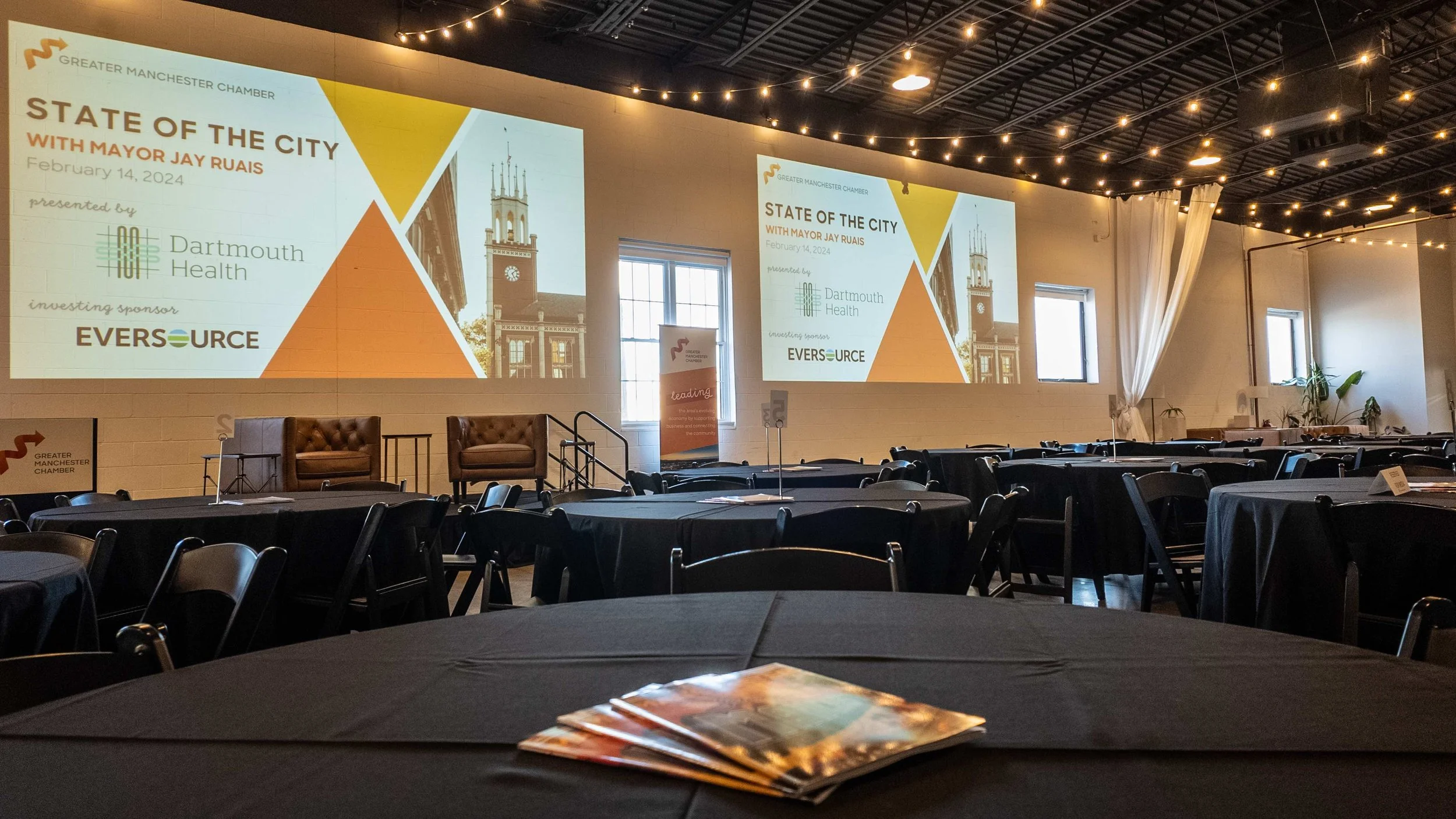
When people talk about conferences, they usually talk about the speakers, the schedule, and the branding. But for the person in charge, the real problem is logistics. Knowing how to plan the logistics of a conference, such as the venue, vendors, AV, and operations, is what makes a conference run smoothly and professionally instead of feeling rushed or disorganized.
Logistics is what makes everything that attendees do possible. Sessions feel cramped if the layout of the venue doesn’t work. Setup takes longer if the vendors aren’t on the same page. Speakers have a hard time if AV isn’t tested right. These problems don’t usually happen because people don’t try hard enough; they happen because people don’t plan ahead. We have learned over the years that logistics should be planned as a whole system, not as a series of separate tasks that are done alone.
Seeing the Big Picture: The First Step in Planning Conference Logistics

One of the worst things you can do when planning a conference is to make decisions in isolation, like booking a venue first, hiring vendors later, and worrying about AV at the end. Planning logistics well works in the opposite way. We first learn about the conference format, the flow of delegates, and the technical requirements. Then we plan the logistics around those needs.
We map things out before we confirm anything:
- Number and kind of sessions
- How many people are in the audience and how they move
- Requirements for speakers in terms of technology
- Areas for registration and networking
- Backstage and areas for support
This big-picture view helps us make better choices at every step. When you really know how to plan the logistics of a conference, like the venue, vendors, AV, and operations, every choice you make is on purpose instead of by accident.
Venue Planning: Making the Experience, Not Just Reserving Space
A conference venue is more than just a place to meet; it’s also a place where people, technology, and teams can work together. One of the most important logistical choices you’ll make is picking the right venue.
We don’t just look at how big the space is and how it looks. Planning the venue includes:
- Flow of people coming in and out during busy times
- AV ceiling height and rigging choices
- Availability of power for technical equipment
- Easy access for speakers and attendees
- Loading access for vendors and production teams
When venues are chosen without thinking about logistics, organizers have to make compromises later. Planning venues and logistics at the same time stops layout changes, AV problems, and operational delays.
Vendor Management in Conference Logistics: Making Teams Work Together

Vendors are important for running a conference, but if they aren’t managed properly, they can also be the biggest source of problems. Each vendor has their own set of tasks, deadlines, and priorities. They come together through logistics planning.
Instead of dealing with vendors one at a time, we work with them all at once:
- Set up and practice times that are the same for everyone
- Roles and dependencies that are clear
- Main ways to talk to each other
- Supervision on the ground during setup and live hours
When vendors work together properly, lighting teams don’t have to wait for the stage to be finished, AV teams aren’t held up by branding installs, and operations staff don’t have to guess when things will be done. This level of coordination comes from knowing how to professionally plan the logistics of a conference, such as the venue, vendors, AV, and operations.
Audio-Visual Planning: Helping Communication Without Getting in the Way
People often think of AV as just a technical extra, but it’s the main way to talk at conferences. AV has to work perfectly for every speech, panel, presentation, and video.
To plan good AV, you need to know about the content, not the equipment. We plan AV based on:
- Speaker types and movement
- Seating and visibility for the audience
- Lighting needs for cameras and stage focus
- Sound coverage throughout the venue
- Backup systems for important sessions
Equipment failure is not the main cause of technical problems at conferences; poor planning and testing are. When AV is planned ahead of time and included in logistics, it becomes invisible in the best way possible.
Operations: Overseeing the Journey of Attendees From Start to Finish
Operations is the part that connects logistics on the day of the event. It controls how people move, where they go, and how supported they feel during the conference.
Operational planning includes:
- Placement and staffing of the registration desk
- Clear signs and directions
- Timing for session transitions
- Processes for helpdesk and escalation
- Briefing and coordinating staff
People who attend a well-run conference feel like they know what to do. They don’t have to ask for directions, worry about their schedules, or deal with confusion. That ease comes from careful planning of operations and strong logistics.
How Conference Logistics Stops Common Problems on Conference Day
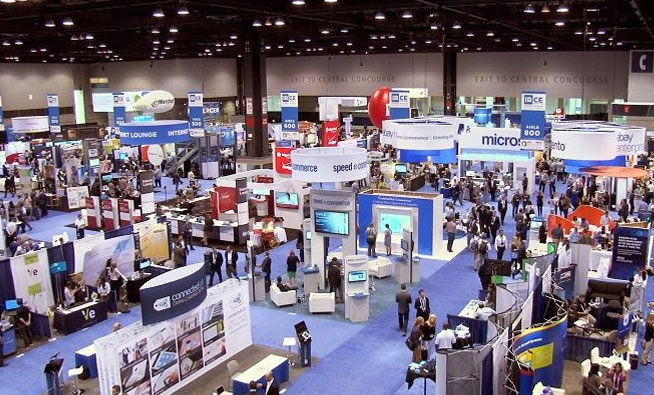
A lot of problems at conferences seem to come out of nowhere, but the reasons for them are usually there long before the event. Planning logistics properly helps keep things from happening:
Delays in sessions because setups aren’t finished
- AV confusion made the speaker angry.
- Crowds getting in the way during busy times
- Conflicts between vendors and missed deadlines
- Changes to the layout at the last minute
When you know how to plan the logistics of a conference, like the venue, vendors, AV, and operations, you stop reacting to problems and start preventing them.
Proven Methods for Planning Conference Logistics
Systems, not guesswork, are what make logistics work. Some of the methods we always use are
Making a master logistics document that all teams can use
- Doing full technical rehearsals, not just checks
- Giving each function a single-point coordinator
- Adding extra time to every important setup
- Making backup plans for power, equipment, and staff
These steps may seem like a lot, but they are what keep conferences running smoothly, even when things get tough.
Things That Mess Up Conference Logistics: Making Decisions Too Quickly
Late confirmations make it hard to plan and limit your choices.
Logistics needs time to grow.
Assuming that “Standard Setup” works everywhere
Each place and group of people is unique. Using layouts again without checking them can often cause problems.
Not planning for backups
No matter how skilled the team is, problems will come up that they didn’t expect. Planning for backups is not optional; it is necessary. It’s easier to avoid these mistakes if you think of logistics as a strategic function instead of an operational afterthought.
The Future of Conference Logistics
As technology and audience expectations change, so do the logistics of conferences. There is more and more focus on:
- Logistics for hybrid events that combine physical and digital experiences
- More intelligent AV systems that can be automated and watched
- Setups that are good for the environment and cut down on waste and reuse infrastructure
- Crowd and flow management based on data
To stay ahead of these trends, you need more than just new tools. You also need to be able to plan better and be flexible.
Final Thoughts: The Real Conference Logistics Strategy Is
At its core, learning how to plan the logistics of a conference, like the venue, vendors, AV, and operations, is about making things work. When logistics are done right, speakers are sure of themselves, attendees are interested, and organizers are in charge.
Planning for everything that could go wrong is what makes great conferences happen, not just that everything goes right. The right logistics approach can make all the difference if you’re planning a conference and want the execution to go smoothly instead of being stressful. Call us today to set up your conference logistics with confidence, structure, and clarity, from the first layout to the last session.
Questions and Answers
What is the first thing you need to do to plan the logistics for a conference?
Before choosing a venue or vendor, you should know the format of the event, how many people will be there, and what technical needs you have.
What is the benefit of planning the venue along with managing all AV—audio, visual, and video screens?
A lot of times, venue restrictions and limitations will impact the following: audio, lighting, screen placement, and stage design.
How does the logistics of an event make it a better experience for attendees?
When attendees have an easy time navigating through the registration process and finding their way around the event, they will feel safe and comfortable knowing they have reliable AV and can get to all their sessions on time.
Will planning out logistics for a convention save you money?
Yes, since planning out logistics for a convention prevents any last-minute changes, avoiding excess rental fees and/or rental needs.
Who is responsible for handling logistics for a convention?
The responsibilities would typically fall to an organization, but the ultimate responsibility should be entrusted to a professional event planner who possesses the necessary resources and experience to successfully plan an event.